
"coffee yield per tree"
800 article(s) found

The establishment of a coffee garden
1. The environmental conditions of land selection, planning and reclamation are closely related to the growth and development of coffee, which should be determined according to the growth habits and environmental requirements of coffee. Try to avoid choosing lowlands where cold air is easy to accumulate and condense frost; coffee roots are good, so choose well-drained and loose soil; coffee needs a calm wind environment, so in areas where there is no primary forest, consideration should be given to planning windbreaks.

Description of species and Flavor of Yejiaxuefei Coffee Bean A brief introduction to the varieties produced by grinding scale
A brief introduction to the varieties of Yejia Coffee beans planted in farmers' own backyard or mixed with other crops in the field, the yield per household is small, so it is a typical pastoral coffee. These mountain villages are foggy, like spring all year round, with a gentle breeze in summer, cool but not hot, rain but not damp, and no cold damage in winter, giving birth to unique oranges.

Two common coffee tree species: Arabica and Robusta
Two common coffee trees: Arabica and Robusta. Arabica coffee grows best at high altitude. this coffee has a much more refined flavor than other coffee, and its caffeine accounts for only 1% of the total weight of coffee. Robusta coffee has a mellow taste, strong resistance to diseases and insect pests, and high yield per plant. This kind of coffee grows

Unique strong Coffee Grinding scale Flavor description method in Saint Roman Manor, Costa Rica
Coffee was introduced into Costa Rica from Cuba in 1729. Today, its coffee industry is one of the well-organized industries in the world, with a yield of 1700 kg per hectare. Costa Rica has only 3.5 million people but 400m coffee trees, and coffee exports account for 25 per cent of the country's total exports. The volcanic soil of Costa Rica is very fertile and well drained, especially in the central part.

The History and Development of Coffee History and Culture Brand Coffee Culture in Vietnam
Based on the planting technology, the coffee planting method was determined, that is, under the hot and humid climate in southern Vietnam, high density planting, massive irrigation, excessive fertilization and no shading trees were used to obtain the maximum yield, and give full play to the production capacity of medium-grain coffee. The per unit yield of many coffee plantations in Daklak, GiaLai, Kontum and DongNai areas of Vietnam reached 340 tons per hectare.

Introduction of Yunnan small Coffee beans introduction of Iron Card Fine Coffee Flavor and Taste Manor
Of course, if it is used to make instant coffee or general commercial beans, high-yielding catimor is a good choice, but if you want to look for Yunnan specialty coffee, then the old variety iron pickup will become the first because of its congenital excellent genes.

Hawaiian Kona Coffee introduces boutique coffee beans in the Manoa Valley area of Oahu.
The climate is very suitable, the sun in the morning gently passes through the air full of water vapor, in the afternoon, the mountains will become more humid and foggy, and the white clouds surging in the air are natural umbrellas for coffee trees, and the evening will become sunny and cool. Suitable natural conditions make the average yield of Kona coffee very high, reaching 2240 kg per hectare, while in Latin American coffee.

Description of taste and flavor of Yunnan small-grain coffee
How to brew small grains of coffee in Yunnan to describe the taste and flavor of manors in producing areas 1. Sexual reproduction is a breeding method to obtain a large number of seedlings at one time, first of all, seed selection and seed treatment. Improved varieties are the basis for cultivating strong seedlings and increasing per unit yield. good varieties must be carefully selected, on the mother tree of coffee, the selection is completely mature, the fruit shape is normal, full and full, the size is the same, with two seeds.

Introduction to the method of taste treatment in the producing area of Costa Rican coffee
Coffee was introduced into Costa Rica from Cuba in 1729. Today, its coffee industry is one of the well-organized industries in the world, with a yield of 1700 kg per hectare. Costa Rica has only 3.5 million people but 400m coffee trees, and coffee exports account for 25 per cent of the country's total exports. The volcanic soil of Costa Rica is very fertile and well drained, especially in the central part.

Introduction to the baking characteristics of Kona coffee beans in Hawaii
Follow the caf é (Wechat official account vdailycom) and found that the beautiful cafe opened a small shop of its own. Hawaii is the largest island in the Hawaiian archipelago, so it is also called the theBigIsland. Kona coffee is produced in the western and southern part of the Kona region of Hawaii, and coffee trees are scattered on the hillsides of Hualalai and MaunaLoa.
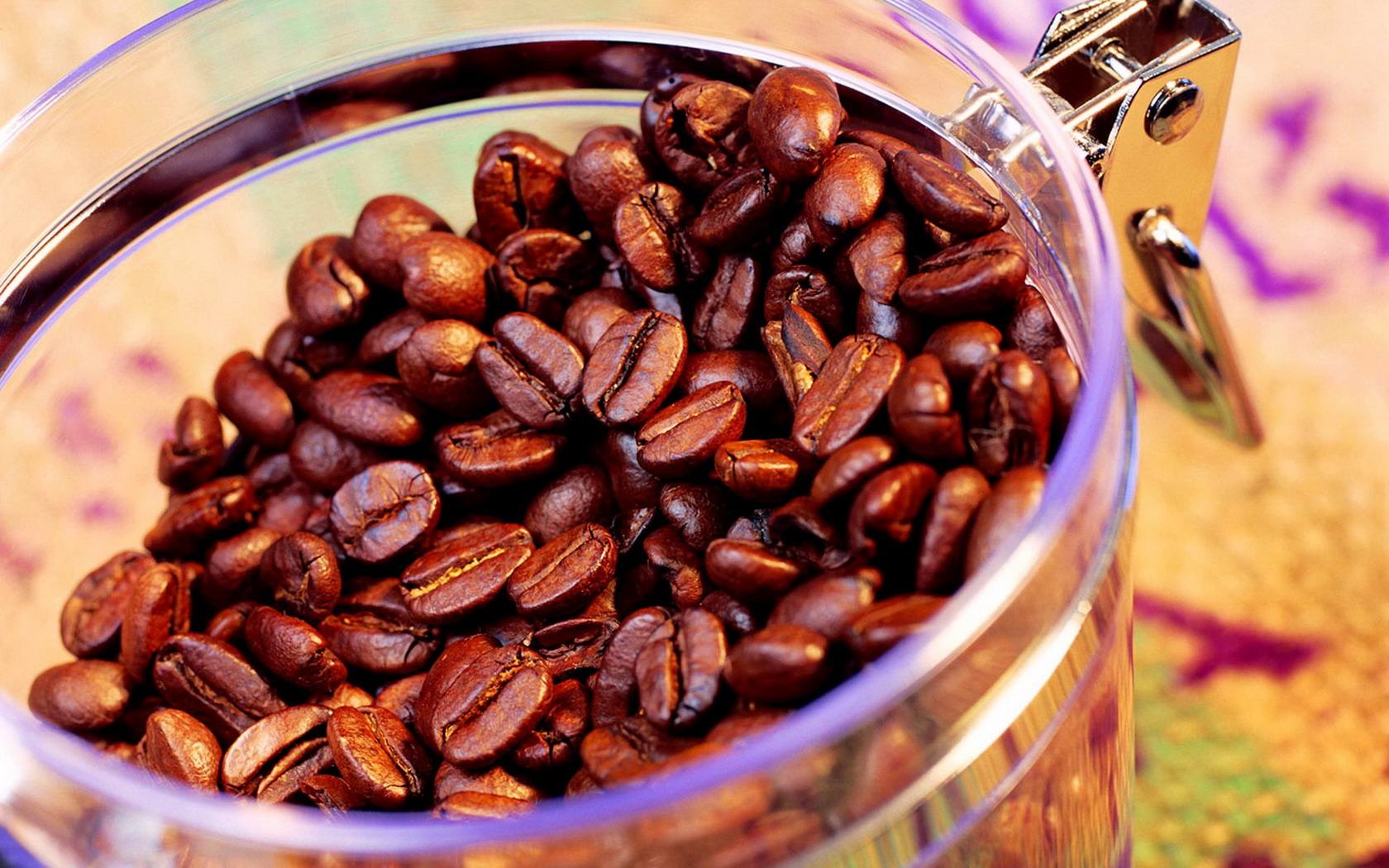
Costa Rican coffee producing area, Costa Rican coffee introduction
Following Caf é (official Wechat account vdailycom) found that the Cafe Beautiful opened a small shop of its own, coffee was introduced from Cuba to Costa Rica in 1729, and today its coffee industry is one of the well-organized industries in the world, producing 1700 kg per hectare. Costa Rica has a population of only 3.5 million, but there are as many as 400 million coffee trees, and coffee exports account for the majority of the country's coffee exports.

Description of the overall bitter taste of iron pickup coffee introduction to the characteristics of the manor producing area
Tracing back to its roots, typica originated from Ethiopia, the ancient origin of coffee, and is the earliest original species of coffee. Bourbon is a variety of typica, both of which have rich aroma and excellent taste performance, and belong to very high quality varieties in Arabica. It is said that the coffee tree species that was first introduced into Zhukula in Yunnan is typica. Baoshan area was opened in the 1950s.

Taste characteristics of Costa Rican Coffee Manor with unique strong Flavor
Coffee was introduced into Costa Rica from Cuba in 1729. Today, its coffee industry is one of the well-organized industries in the world, with a yield of 1700 kg per hectare. Costa Rica has only 3.5 million people but 400m coffee trees, and coffee exports account for 25 per cent of the country's total exports. The volcanic soil of Costa Rica is very fertile and well drained, especially in the central part.

Hawaiian Coffee Flavor Description Grind Characteristics Variety Producing Area Taste Boutique Coffee Introduction
Real Hawaiian Kona coffee gives you a unique pleasure and leads you slowly into the transcendent state of coffee tasting. And this is all from the oldest Arabica coffee tree. Hawaii is the only state in the United States to grow coffee, which is grown on the five main islands of the Hawaiian archipelago: Oahu, Hawaii, Maui, Kauai and Mauroka.

Introduction to the cultivation of coffee beans in Ethiopia _ how to buy coffee beans in Ethiopia
Professional coffee knowledge exchange more coffee bean information please follow the coffee workshop (Wechat official account cafe_style) Ethiopia is located between 3 and 14 degrees north latitude, coffee planting area of nearly 600000 hectares. There are two rainy seasons a year in the south and east of the country, while there is only one rainy season in the west. The distribution of the rainy season is different, so coffee is harvested in Ethiopia all the year round. Coffee

Global coffee bean planting and production what is the position of Yunnan coffee beans in the world
Professional coffee knowledge exchange more coffee bean information please follow the coffee workshop (Wechat official account cafe_style) Yunnan boutique coffee root search trip old variety iron card new variety Katimo mentioned Yunnan boutique coffee, maybe the most common word we hear is Yunnan small grain coffee beans, and most of them will say that Yunnan small grain coffee is fragrant but not bitter, strong but not strong, so a lot of

Introduction to the producing areas of Coffee Yerzaro, Costa Rica, the characteristics of Grinding degree and the method of treatment
Coffee was introduced into Costa Rica from Cuba in 1729. Today, its coffee industry is one of the well-organized industries in the world, with a yield of 1700 kg per hectare. Costa Rica has only 3.5 million people but 400m coffee trees, and coffee exports account for 25 per cent of the country's total exports. The volcanic soil of Costa Rica is very fertile and well drained, especially in the central part.

Vietnam Weishuo Coffee Bean Arabica Karabasta mixed Bean Flavor description Grinding degree
Vietnam Coffee Vietnam's geographical location is very favorable for coffee cultivation. Southern Vietnam has a hot and humid tropical climate, which is suitable for growing ROBUSTA coffee, while the north is suitable for growing ARABICA coffee. Coffee production in Vietnam has the following characteristics: (1) because there is no effective way to deal with fallen leaves, medium-grain coffee was selected as the main variety in the early 1980s. (2) to seed

Fruity Puerto Rico Fine Coffee Growing Location Climate Altitude Profile
When it came time to pick the beans, people walked back and forth between the trees, picking only the fully ripe beans, which were then washed in a roller for 48 hours. Yocote Select beans are kept in their shells until they are shipped, and the skins are not removed until the order is shipped to ensure optimum freshness. At the time of delivery, the relevant U.S. government workers